
Top Protein Powders for Optimal Fitness
- Nov 20, 2025
- 4 min read
Protein powders have become a staple in the fitness world, helping individuals meet their daily protein needs efficiently. Whether you are building muscle, recovering from workouts, or simply aiming to maintain a healthy diet, choosing the right protein powder can make a significant difference. This guide explores the top protein powders available today, highlighting their benefits, types, and how to select the best option for your fitness goals.
Understanding the Importance of Protein Powders
Protein is essential for muscle repair, growth, and overall health. Many people struggle to consume enough protein through food alone, especially those with busy lifestyles or specific dietary restrictions. Protein powders offer a convenient and effective way to supplement your diet.
Why Use Protein Powders?
Convenience: Quick to prepare and consume, perfect for post-workout nutrition.
Variety: Available in different types to suit dietary preferences (whey, plant-based, casein, etc.).
Controlled Nutrition: Easy to track protein intake and manage calories.
Enhanced Recovery: Speeds up muscle repair after intense exercise.
Incorporating protein powders into your routine can help you stay on track with your fitness goals without compromising on nutrition.
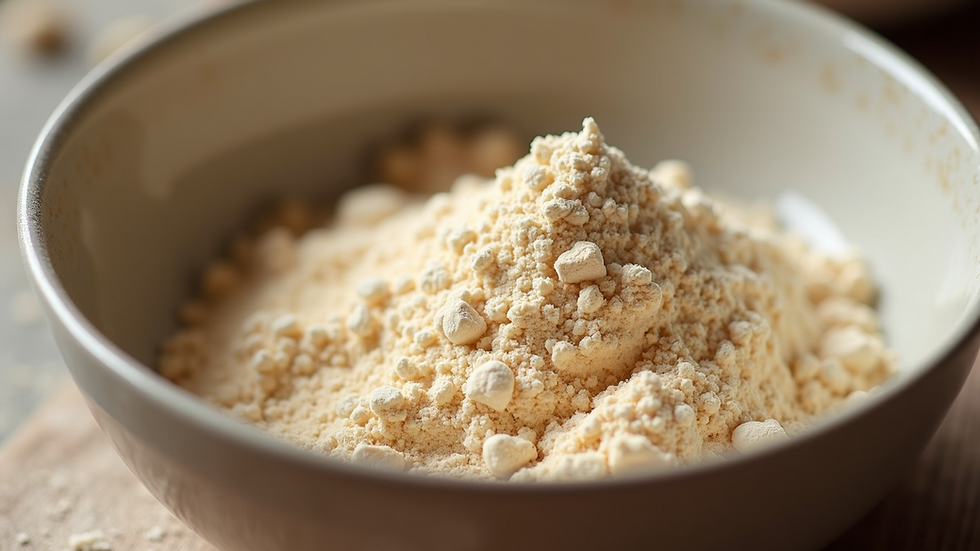
Top Protein Powders to Consider for Your Fitness Journey
Choosing the right protein powder depends on your dietary needs, fitness goals, and personal preferences. Here are some of the top protein powders that stand out in the market:
1. Whey Protein
Whey protein is the most popular and widely used protein supplement. It is derived from milk and contains all essential amino acids, making it a complete protein.
Benefits: Fast absorption, supports muscle growth, rich in branched-chain amino acids (BCAAs).
Best for: Post-workout recovery and muscle building.
Considerations: Not suitable for those with lactose intolerance or dairy allergies.
2. Casein Protein
Casein is another milk-derived protein but digests more slowly than whey. This makes it ideal for sustained protein release.
Benefits: Provides a steady supply of amino acids, helps prevent muscle breakdown.
Best for: Nighttime use or long periods without food.
Considerations: Similar to whey, it may not be suitable for lactose-intolerant individuals.
3. Plant-Based Protein
Plant-based proteins come from sources like peas, rice, hemp, and soy. They are excellent options for vegans and those with dairy allergies.
Benefits: Hypoallergenic, rich in fiber and nutrients, environmentally friendly.
Best for: Vegans, vegetarians, and those with dietary restrictions.
Considerations: Some plant proteins may lack one or more essential amino acids, so blends are often recommended.
4. Egg White Protein
Egg white protein is a high-quality protein source with a complete amino acid profile.
Benefits: Low in fat and carbohydrates, easily digestible.
Best for: Those seeking a dairy-free complete protein.
Considerations: May not be suitable for people with egg allergies.
5. Collagen Protein
Collagen protein supports joint, skin, and connective tissue health. It is not a complete protein but complements other protein sources well.
Benefits: Promotes skin elasticity and joint health.
Best for: Individuals focused on overall wellness and recovery.
Considerations: Should be combined with other protein sources for muscle building.
How to Choose the Right Protein Powder for You
Selecting the best protein powder involves considering several factors:
Assess Your Dietary Needs
Allergies and Intolerances: Avoid dairy if lactose intolerant; choose plant-based if vegan.
Protein Goals: Determine how much protein you need daily based on your activity level.
Taste and Texture: Try samples if possible to find a flavor and texture you enjoy.
Check the Ingredient List
Look for minimal additives, fillers, and artificial sweeteners.
Prefer powders with added digestive enzymes if you have a sensitive stomach.
Consider Your Fitness Goals
For muscle gain, opt for fast-absorbing proteins like whey.
For weight management, choose powders with low sugar and fat content.
For sustained energy, casein or blended proteins work well.
Budget and Brand Reputation
High-quality protein powders may cost more but offer better results.
Research brands for transparency, third-party testing, and customer reviews.

Tips for Maximizing Protein Powder Benefits
To get the most out of your protein supplement, follow these practical tips:
Timing: Consume protein within 30-60 minutes after workouts for optimal muscle recovery.
Combine with Whole Foods: Pair protein shakes with fruits, vegetables, or healthy fats for balanced nutrition.
Stay Hydrated: Protein metabolism requires adequate water intake.
Monitor Your Intake: Avoid excessive protein consumption, which can strain kidneys and cause other health issues.
Experiment with Recipes: Use protein powder in smoothies, pancakes, or baked goods to keep your diet interesting.
Where to Find the Best Protein Powder
Finding the best protein powder can be overwhelming with so many options available. Trusted online retailers and specialty fitness stores offer a wide range of products to suit every need. Always check for authenticity and quality certifications before purchasing.
Enhancing Your Fitness Routine with Protein Powders
Incorporating protein powders into your fitness routine can accelerate progress and improve overall health. Remember that supplements are just one part of a balanced diet and consistent exercise program. Focus on whole foods, regular workouts, and adequate rest to achieve optimal fitness results.
By understanding the different types of protein powders and how they fit into your lifestyle, you can make informed choices that support your goals effectively. Whether you are a beginner or an experienced athlete, the right protein supplement can be a valuable tool on your fitness journey.


Comments